


If you’ve recently been diagnosed with ADHD or autism (or are beginning to explore your neurodivergence) you’ve probably heard that it’s important to identify your sensory triggers.
And maybe your first thought was: “Okay…but how am I supposed to do that without turning it into a full-time job?”
Most advice around identifying sensory triggers involves detailed tracking, journaling, or constant self-monitory. And for many late-identified adults, that approach is completely unrealistic. It can even make things worse!
The good news is you don’t need to track everything to understand your sensory triggers.
In fact, a simpler, more intuitive approach is often far more effective.
Table of Contents
ToggleWhat Are Sensory Triggers?
Sensory triggers are specific types of input that cause your nervous system to feel overwhelmed, overstimulated, or dysregulated.
These triggers can include:
- Sounds (background noise, multiple conversations, sudden interruptions)
- Visual input (bright lights, clutter, movement)
- Textures (clothing, surfaces, temperature)
- Smells
- Social environments and masking demands
- Internal sensations (hunger, fatigue, pain, tension)
For late-identified ADHD and autistic adults, sensory triggers are often misunderstood or overlooked entirely (especially if you’ve spent years pushing through discomfort without realizing it).
Why Traditional Tracking Doesn't Work for Many Neurodivergent Adults
A lot of sensory advice assumes you have the time, energy, and consistency to log your experiences throughout the day.
But if you’re already dealing with:
- Burnout
- Executive dysfunction
- Mental overload
…then detailed tracking can quickly become another source of stress.
It’s not that identifying sensory triggers isn’t important. It’s that the method needs to match your capacity.
Instead of tracking everything, you can focus on patterns.
Start With Patterns
You don’t need a complete list of every sensory trigger you’ve ever experienced.
You just need to start noticing: When do things consistently feel harder?
Pay attention to recurring situations where you feel:
- Drained
- Irritable
- Overwhelmed
- Foggy or shut down
Then ask a simple question: “What do these moments have in common?”
When you start to recognize these situational commonalities, it’s easier to notice what is acting as sensory triggers for you.
The 3 Clues That Point Your Sensory Triggers
Instead of tracking everything, look for these three signals:
1. Sudden Energy Drops
If your energy seems to disappear quickly, there’s often a sensory component involved.
This might happen:
- After being in a noisy environment
- After extended screen time
- After social interaction or masking
Energy crashes are one of the clearest indicators of hidden sensory triggers.
2. Irritability That Feels Out of Proportion
When small things suddenly feel overwhelming, your nervous system may already be overloaded.
You might notice:
- Sounds feeling sharper or more intrusive
- Less patience than usual
- A strong urge to escape or withdraw
Irritability is often a late-stage signal of accumulating sensory triggers.
3. Avoidance Without a Clear Reason
If you find yourself avoiding certain tasks, places, or people (and your not quite sure why) sensory triggers may be involved.
This could look like:
- Procrastinating errands
- Dreading specific environments
- Putting off social plans
It’s not always about a lack of motivation or purely a struggle with initiating tasks. Sometimes it’s about your brain anticipating sensory strain.
Commonly Overlooked Sensory Triggers in Adults
Many late-identified adults focus on obvious triggers like noise, but miss more subtle ones.
Some commonly overlooked sensory triggers include:
- Lighting (especially overhead or fluorescent lights)
- Visual clutter (messy spaces, busy environments)
- Transitions (switching tasks, leaving the house, starting something new)
- Background noise (TVs appliances, conversations you’re not a part of)
- Internal states (being hungry, tired, or overstretched)
These triggers often build slowly, making them harder to recognize. But they are just as impactful!
A Simpler Way to Identify Sensory Triggers
Instead of tracking every detail, try this:
At the end of the day (or when you feel off), ask yourself:
- What felt hardest today?
- When did my energy shift?
- Where was I, and what was happening around me?
That’s it.
Taking a little time for a moment of reflection can make all the difference.
Over time, patterns will emerge and those patters will point directly to your sensory triggers.
You Don't Need to Catch Everything
One of the biggest misconceptions about identifying sensory triggers is that you need to be hyper-aware all the time.
You don’t.
Even noticing one or two consistent triggers can make a meaningful difference in how you support yourself.
Reducing any amount of unnecessary strain on your nervous system is progress.

Sensory Awareness Is About Support
For many late-identified ADHD and autistic adults, learning about sensory triggers can bring up mixed emotions.
There may be relief in finally understanding your experiences. But also frustration that you didn’t know this information earlier.
Be gentle with yourself as you learn.
You’re not expected to change everything overnight. You’re simply building awareness, one pattern at a time.
You're Not "Too Sensitive"
If you’ve spent years pushing through discomfort, identifying your sensory triggers might feel unfamiliar at first.
But your growing awareness allows you to make choices that support your energy, your focus, and your well-being in a way that actually works for your brain.
Want Help Understanding Your Sensory Patterns?
If you’re starting to notice your sensory triggers and want gently, practical support as you figure things out, you’re not alone.
Join the How to Be ND newsletter for:
- Real-life insights for late-identified ADHD & autistic adults
- Tools for identifying sensory triggers without overwhelm
- Support for burnout recovery, unmasking, and self-trust
👇Sign up below and let this be a space where you can understand your brain without the pressure to do it perfectly.
If you want a more structured or step by step approach to learning about your sensory preferences, you might like this downloadable workbook 👉My Personalized Sensory Blueprint: Understand Your Sensory Needs & Design a Life That Works for Your Brain
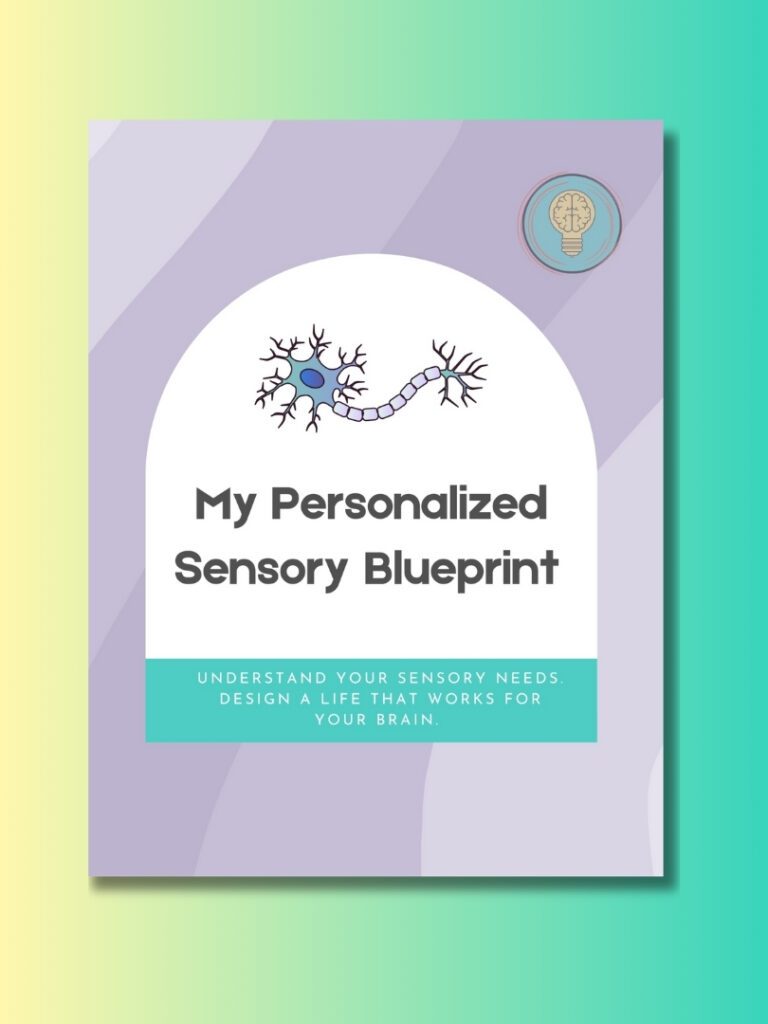
Digital Download – My Personalized Sensory Blueprint (PDF, US Letter & A4)
Discover your sensory world with compassion and clarity.
My Personalized Sensory Blueprint is a 39-page guide and workbook designed especially for late-identified autistic, ADHD, and otherwise neurodivergent adults who are learning to better understand their sensory needs.
This guide helps you map your own sensory preferences, challenges, and accommodations—so you can create environments and routines that support your well-being.

If you enjoyed this post, you might like this one 👉 Signs Your Burnout Is Sensory Burnout (Not Laziness or Depression)
Thanks for listening, friends.

Disclaimer:
This post reflects my personal experiences and perspectives as a late-identified neurodivergent adult. While I aim to share helpful insights, I don’t speak on behalf of the entire ADHD or autistic community. Neurodivergence is diverse and individual—please interpret this content through the lens of your own needs and experiences. This article is not a substitute for professional or medical advice.